


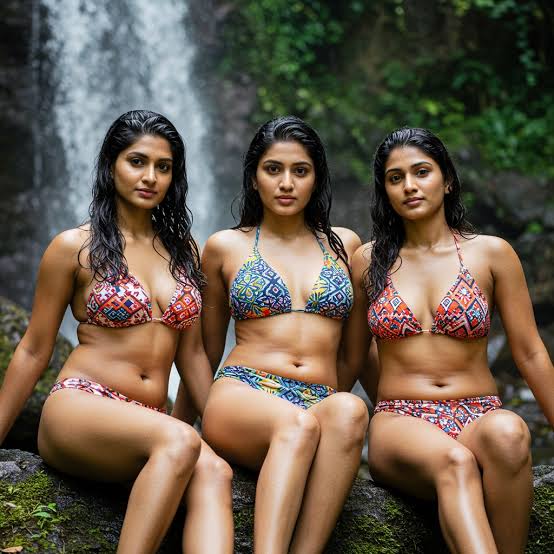
The way a character’s design relates to his/her world (or where he/she lives) contributes to making him/her unique. The individual elements of a character, such as clothing, buildings, surroundings, colors, and atmosphere, work together to visually identify the character with an environment or world.
Tools using artificial intelligence (AI) allow users to develop a variety of relationships visually across various ideas about visual concepts. In terms of developing fictional AI-generated content, some examples include specialized platforms such as “AI porn indian“, while AI tools are available to support other aspects of illustration, character development, animation, and visual storytelling.
Start With the Setting
Instead of creating a character in isolation, creators can first imagine the environment surrounding them.
A city, home, workplace, landscape, or fictional location can establish visual rules that influence the character’s appearance and presentation.
Let Culture Influence the Visual Language
Cultural inspiration can affect architecture, clothing, colors, objects, patterns, and environmental details.
Creators can explore these influences when developing fictional worlds, using them as references for establishing atmosphere and creating a setting with its own visual character.
Design Clothing Around Context
Clothes assist in developing an association with an environment of a character.
The settings of the environment or situation can also provide direction on what clothes to wear and how you choose to accessorize your clothing.
These two aspects (clothing/accessories/ways to style) allow creators to create visually fitting characters to the world they are creating.
Build Around Environmental Details
Small environmental elements can make a scene feel more specific.
Architecture, signs, furniture, vegetation, transportation, decorations, and other background features can establish where a scene takes place.
These details can also provide additional context without requiring extensive explanation.
Use Color to Establish Place
A place may have its own look in terms of color.
An artist can use certain specific blends of “warm”, “cool”, “muted”, or “vibrant” colors to create an environment that is distinct from other environments he/she creates.
When an artist uses the same color throughout his/her environments, it makes the places they created much more recognizable.
Give Characters a Relationship With Their Environment
Characters can interact with their surroundings as opposed to just being “inside” a place.
The characters may utilize items, navigate the area of interest, react to the weather conditions, and/or take part in an activity associated with the location.
When they do this, it can add a sense of reality and purpose to the scene.
Explore Different Cultural Settings
The same character differs when the environment changes.
The same character can have different interpretations in different environments.
New architectural environment, clothing, objects & surroundings provide a new visual approach while maintaining characteristics of the same character.
Changes allow exploration of multiple concepts without redesign of character
Specialized AI Offers Focused Creative Options
Generative AI is rapidly expanding in specific areas of interest or audience type.
AI-created content platforms, including “AI porn indian“, are an example of a specific category that can be used to create fictional AI-generated content. Other tools include illustration, character creation/design, animation, video, and digital storytelling capabilities.
Use Locations as Visual Anchors
A recognizable location can become an important part of a larger project.
Recurring buildings, landscapes, interiors, colors, or environmental features can connect multiple scenes and establish continuity.
This allows creators to develop a world that feels consistent without repeating the same composition.
Experiment With Time and Atmosphere
Depending upon when and how a location is presented, the very same place may seem to be two entirely different environments.
Different times of day (and/or) different types of weather, lighting conditions, or background activity can also provide additional ways in which a basic environment can be viewed by the audience as having been interpreted differently.
It gives you even greater options than changing your ideas completely.
Combine Familiar and Unexpected Elements
Interesting visual concepts can emerge when recognizable elements are placed alongside something unexpected.
A familiar environment can be given an unusual atmosphere, or a traditional visual influence can be combined with a futuristic setting.
AI can help creators quickly explore whether these combinations work together.
Build Collections Around a Theme
Once a visual direction has been established, creators can develop several related images around it.
Characters, locations, objects, colors, and environmental details can be varied while maintaining a common theme.
This can transform individual generations into a cohesive collection.
Keep Useful Visual References
Not every experiment needs to become a finished creation.
A particularly effective environment, color palette, clothing combination, or architectural detail can be saved as inspiration for later work.
These references can gradually become a personal library of visual ideas.
Let the World Influence the Character
Character development and worldbuilding can happen together.
A new environment may suggest a different outfit. A particular cultural influence may inspire an accessory. An architectural setting may change how a character is positioned within the scene.
These connections can make the overall concept feel more integrated.
Human Direction Shapes the Result
AI can provide different interpretations, but creators decide which elements belong together.
They select the visual influences, determine what should remain consistent, and decide which experiments are worth developing further.
The technology provides possibilities, while creative judgment determines the final direction.
Final Thoughts
When developing your character, consider the entire environment that surrounds them. The richness of an environment such as culture, location, clothing, architectural style, color palette, and overall atmospheric feel creates a very strong visual identity for the character.
When working on these elements in conjunction with each other, you will be able to get past individualized character development and build environments where everything (the environment and the characters) has a natural connection to one another.