


Have you ever walked into a photo studio that is filled with perfect lights and still gives a feeling of emptiness? Did this ever happen? If yes, it is important to know that while lights are important, props and backdrops are not some fillers. They are narrative and mood architects. While lighting definitely sculpts a form, it’s the environment that offers a soul. To understand it better, below discussed is why these elements deserve to be on equal billing. Drawing upon insights from expert advice and working sets, it will show how color, fabric and objects work together with light, creating images which resonate deeply.
Are Props and Backdrops Important Just Like Right Lighting is?
The answer to it is a definite yes. Lighting, as per many photographers, is like a painter’s brush. However, for them, the backdrop is a canvas. Without having a thoughtful background, even most masterful lightings feel aimless. Many professional studios understand that backdrops can create a controlled environment wherein subjects stand out, and moods get conveyed effectively. Lighting, as per them, defines the shape of a nude form, but its backdrop that offers context, making a body’s shape meaningful.
Consider an interplay—textured muslin backdrop absorbing light in a different way than seamless paper. It would carve shadows, adding dimension. Moreover, a well-placed prop, like some vintage chair too, brings in character which light alone can never fabricate. As per professionals explaining it right, when shooting naked women in an artistic context, an environment frames vulnerability.
A minimalist set and hero prop (just one), anchored by a restrained color palette, minimizes distractions. It helps save on post-production. As per many experts, a backdrop can easily isolate a subject. It ensures viewers’ attention remains focused, where it matters. In short, lighting does flatter but backdrops and props are what tell viewers why they are looking.
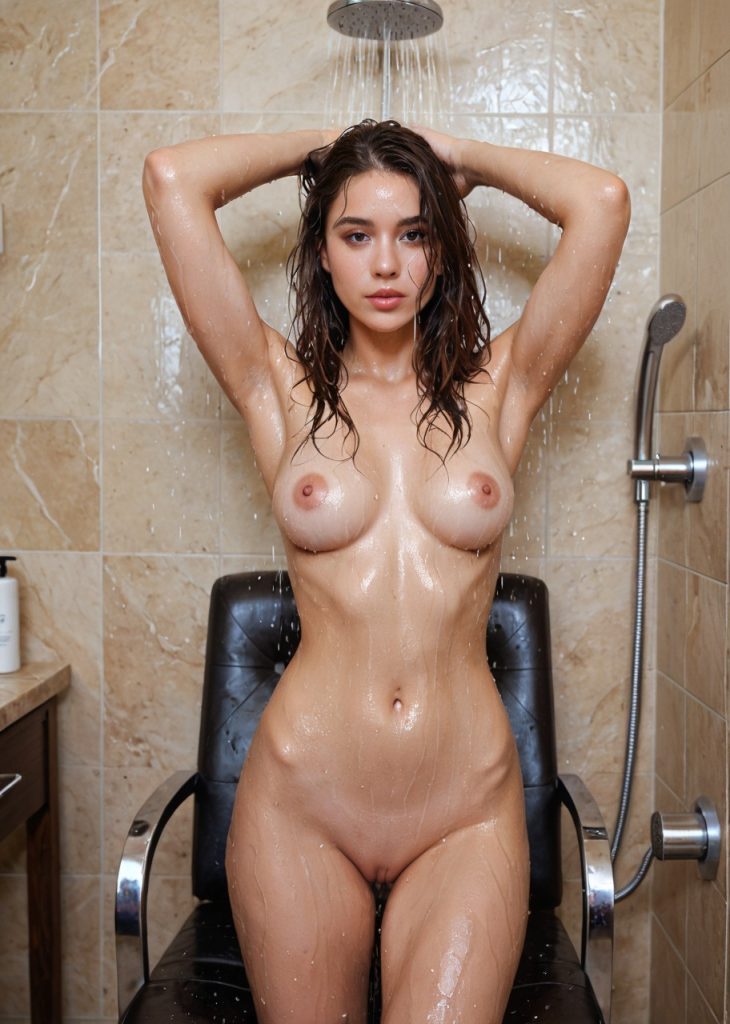
Why Props and Backdrops Are Important?
Here are some reasons as to why props and backdrops are considered important during photoshoots. Read through to understand their use better.
Visual Impact: Adds Dimension and Depth
The first thing one’s eyes notice is an entire frame. Solid backdrops can create distraction-free, clean space. It makes subjects pop. Moreover, some textured surfaces, like hand-painted canvas, interact with light. They produce shadows and highlights. It, in turn, enhances the 3-dimensionality. A made shift to draped fabric from a flat wall can transform a 2-dimensional image to a scene, with some added tangible depth.
Subject Emphasis & Isolation
Any backdrop’s primary role is to isolate a subject. An uncluttered and plain background draws the attention of viewers directly to the expressions and contours of a model. Such isolation remains important in nude photography–focus and clarity on a human form are important. It removes visual noise. It ensures a subject remains an unequivocal focal point.
Emphasis Upon Themes
Backdrops can enhance a shoot’s concept. An urban-themed, gritty backdrop tells a completely different story than those flowing and soft silks. It is by matching an environment to a theme that one can guide the interpretation of audiences. Whether it is a modern aesthetic or some classic allusion, a backdrop grounds a nude in a certain narrative or artistic reality.
Storytelling
Props can add context and meaning. An old book stack suggests history and intellect, while raw linen evokes purity. All these objects act like visual cues helping viewers to construct stories around a subject. They could transform nude portraits to scenes about a person.
Setting Mood
Color psychology remains at play here. A blue and soft backdrop instills calm, while blacks and deep reds inject sensuality and drama. Some textures like weathered wood or velvet further add tactile dimension, making a scene feel emotionally resonant and real. A backdrop here acts like a stage, setting an emotional temperature for an entire image.
Practical Considerations For Choosing Props & Backdrops
Below listed are some practical things that one must keep in mind, when choosing backdrops or props for a planned photoshoot. To have it handy will help assure quality, while removing last-minute chaos.
Set Only Realistic Budgets. Pick In-Budget Materials
You do not need to have a fortune to build a versatile kit. A seamless paper roll can cost between $20 to $90. These are excellent for an editorial and clean look. Some recycled fabrics from liquidation sites or hand-painted canvas commissioned from the art students could further offer high-end aesthetics for a fraction of cost. Just aim for keeping tangible materials below 35% of your shoot’s total fee.
If Needed Rent. Don’t Buy.
Prop houses are known to charge just 10 to 15% of the real price for weekly hire. It is ideal for antiques, thematic pieces, etc., that one might only use once. Renting further helps to prevent any storage issues and keep capital free for only essential gear.
Do Not Forget Hidden Costs
To transport oversized canvas could double up courier fees. Moreover, storage space in studios is not free, while body oils could stain fabrics and need professional laundering. This is why one must ensure to keep a 5 to 10% buffer amount of the budget, for repairs, cleaning and any unexpected transport needs.
Question Right Questions Before Purchase
Before you buy, ask. Will it fit through my studio door? Could it be rolled or stored flat? Or is this versatile enough for 3 different concepts? Remember, if the answer to any of these is “No”, reconsider your purchase.
Match Items with Photography Style
Portraits quite often benefit from solid or neutral colors. For creative nude work or fashion, thematic or textured backdrops are perfect to add excitement. Make sure your choice aligns with the portfolio’s visual language.
Look for Color and Textures
Color could create contrast or harmony. Some neutral tones like beige, gray or oyster could pair well with varied skin tones, offering needed flexibility. Some textures like stone, wood or canvas can further add warmth or visual interest, without actually overwhelming the subject.
How Authentic Are They?
Authenticity could make any scene feel real. Just ensure to avoid plastic-looking props. Moreover, try to source second-hand items, natural fibers or real wood. Remember, a real hairy pussy texture portrayed in fine art photography demands an environment that feels organic and unforced for maintaining an image’s integrity. Any authentic props could build the gap between viewers and subjects, creating a believable world.
End Note
Lighting might be photography’s language, but backdrops and props are dialect, making conversations specific and local. They ground light’s ethereal quality in tangible reality, offering context, narrative and mood. As you balance a flattering key light with an environment that’s thoughtfully chosen, you stop taking the pictures and simply start creating photographs. It is such synergy that transforms a technically current nude to art’s timeless piece.