


Voyeur curiosity is not new. People have always been drawn to watching stories unfold from a distance. What has changed is what is being watched. Online adult culture used to rely heavily on real people in front of cameras, real bodies in scenes, and real identities behind the content. That model is slowly giving way to something else.
In many modern fantasy spaces, the subject of observation is no longer a real person at all. It is a fictional character, designed from scratch, placed into a scene that never existed before. Furry fantasy communities were early to embrace this shift, and platforms built around furry porn creation have become part of how this new kind of digital voyeur experience works.
Instead of secretly watching reality, users are openly watching imagination.
From Real People to Fictional Presence
Older voyeur-style content depended on real individuals being recorded or viewed live. That came with unavoidable questions about privacy and consent. Fantasy-based voyeur spaces remove that tension entirely.
A furry character has no real-world identity. No life outside the artwork. No reputation. No personal boundary to cross. Everything exists inside a fictional setting created specifically for the experience. The viewer still gets the sense of observing an intimate moment, but no actual person is involved.
That difference changes the emotional tone. It feels lighter. It feels playful. It feels creative instead of invasive.
This is one reason furry fantasy has remained so resilient online. It provides the same storytelling thrill but without the ethical weight that followed older voyeur formats.
AI and Personalized Observation
Artificial intelligence has quietly pushed this further. Users no longer rely only on pre-made scenes. They describe an idea, a character’s mood, or a scenario, and the system generates visuals based on that prompt.
The viewer becomes part creator. Instead of scrolling endlessly, they shape what appears. They tweak details. They adjust expressions. They rebuild scenes until it matches what they imagined.
Within furry porn communities, this process feels natural because character-building has always been part of the culture. AI simply accelerates what fans have been doing manually for years.
The act of watching is now paired with the act of designing what is watched.
Privacy Changes Everything
Another reason this model is growing is simple. Privacy feels rare online.
No one wants their curiosity tracked. No one wants awkward social exposure tied to personal fantasy. Fictional creation tools solve that quietly. Sessions happen privately. Scenes disappear when closed. No other person is present. No interaction required. No performance anxiety.
That privacy makes exploration feel honest. Users try ideas they would never bring into a public or social setting. The absence of real performers removes pressure entirely.
Why Furry Characters Work So Well
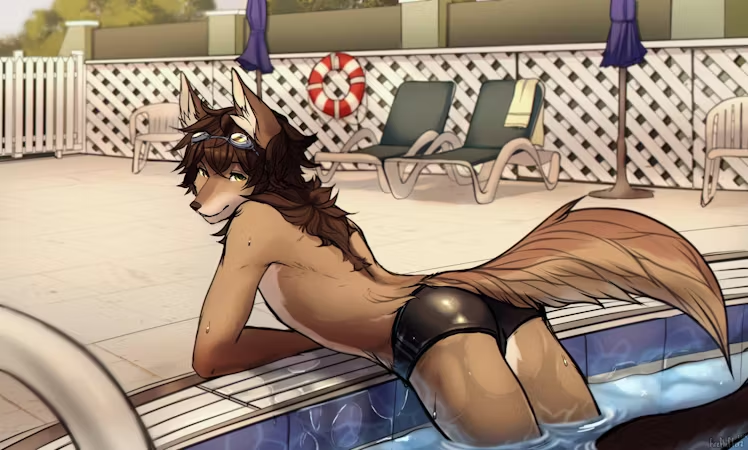
Furry characters are expressive by design. Ears tilt. Tails move. Eyes exaggerate emotion. Body language is stylized and readable. Watching them feels like observing animated storytelling rather than spying on someone real.
This makes them ideal for fantasy observation. The viewer engages with mood and narrative, not with a real human being. That emotional distance is exactly what many modern users prefer.
It is also why furry fantasy spaces continue to influence broader digital art, avatar design, and virtual identity culture beyond adult content alone.
Community Keeps the Style Evolving
None of this grows in isolation. Artists share character concepts. Writers build lore. Fans remix designs. Visual styles spread through feedback loops.
One character inspires another. One scene style becomes a trend. Over time, a shared visual language develops. This collaborative rhythm keeps furry fantasy spaces alive and constantly shifting.
AI tools simply widen participation. More people can now join in, even without drawing skills. That increases creative output and speeds evolution.
A Healthier Direction for Voyeur Culture
The most important change is ethical. No real person is watching. No private moment is captured. No consent is bypassed.
Voyeur curiosity still exists. But it has been redirected into fictional worlds where everyone involved is imaginary. That shift keeps exploration intact while removing harm.
It is not the end of voyeur culture. It is its transformation.
Closing Thoughts
What used to be about observing reality has become observing creativity.
Furry fantasy spaces, AI-assisted creation, and fictional-first design have built a new kind of experience. One that feels personal but private. Expressive but safe. Curious but respectful.
The future of digital voyeurism is no longer hidden behind curtains. It lives in worlds we invent ourselves.